What Should I Know Before I Order?
Online shopping is easy, and shopping for promotional products is no exception. You just need to know what to expect!
Here’s what you should know before ordering promotional products for the first time!
Milk, gas, shampoo, clothes…these are items you probably buy all the time. Promotional products? You might have never even heard the phrase before!
Now you’re tasked with buying them for the first time. Why go into the process blind as a bat? Isn’t it better to avoid mistakes, so you end up happy with the experience?
This guide is here to help! Take a look, and you’ll have everything you need to know about ordering promotional products.
Online shopping is easy, and shopping for promotional products is no exception. You just need to know what to expect!
Here’s what you should know before ordering promotional products for the first time!
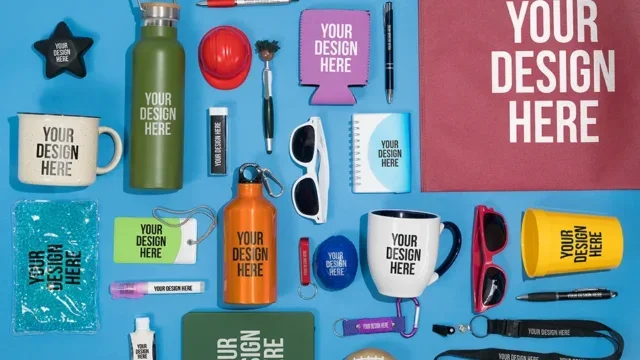
You can print a custom design on just about anything – shirts, water bottles, socks, tote bags, stylus pens, phone chargers, coolers, flashlights, beach balls, pint glasses… the list is endless!
The variety is exactly what makes promotional products such a good branding opportunity. You’re sure to find something that works for you, no matter what you’re promoting.

Not everything on the internet is exactly as it seems. The same holds true for the promotional products you see on the order page. A gold twist pen, for instance, might look like real gold, but that doesn’t mean it’s actually real.
It’s also important to know that your computer monitor doesn’t show an exact color. To avoid any confusion, be sure you read the product description before you order. The picture doesn’t tell you everything!

Screen printing is often used to print the image or text you want onto the item. Because a new screen has to made for every new color used in the design, you typically only get 1 free color to use.
Plan on using just one color to create your custom design to save you money. If you really want to use more colors (or if you’re printing a photo), embroidery or digital printing is the better option.
Filter your search for those processes, or do it the old-fashioned way and ask your customer service for recommendations!

You might have a very specific color you need to print, such as how Coca-Cola uses a distinct red and Starbucks has a certain green. If that sounds like you, then you should look into the Pantone Matching System, or PMS colors.
By using the PMS matching system, you can get the exact color you need in the print. Keep in mind, this is usually an additional cost to your order.

Every product has an imprint area – the space where the design is printed. This is set by the factory ahead of time and can’t be changed.
Take custom t-shirts for example. The shirt print area can be on the front stomach, near the chest, on a pocket, on the back, or on the sleeves. It just depends on which shirts you buy!

Have you ever gone to Costco or Sam’s Club? If so, then you’re already familiar with the idea of buying in bulk or wholesale. Ordering promotional products works in the same way!
With some exceptions, you can’t just get one item with your custom design on front. You have to order multiple. Every product has a minimum quantity that you have to meet, which is as low as 10 to as high as 2,000.
For example, since they’re small and cheap, custom keychains have a higher minimum than something high-end like laptop bags. Not to be a broken record, but it really depends on what you buy!

You can’t just sketch a picture of your dog and send it to the print company to put on a hoodie. A fancy design will end up losing its details in the print, so for that reason, simple, clean designs work best.
The same goes for the font you use in the design. The best fonts for printing are simple and legible. Arial, Bodoni, Helvetica, and Roboto are popular choices.
Finally, you should always try to vector your image before you send it. Is this a new word to you? Don’t worry! The best promotional products websites do this for you at no cost.

The picture you see won’t give you the full story. Make sure you find the item size on the page before you commit to buying a specific promotional product.
Custom coffee mugs are a good example to demonstrate this point. Some mugs hold 11 ounces, while others hold 20 ounces. You don’t want any bad surprises, so look at this information before you order.

Life isn’t perfect. Your order has to travel in an airplane or in the back of a truck on bumpy roads. It may get damaged in transit, especially if you order anything made from glass.
You pay a lot for shipping, so you want everything to be in good condition. The best promotional products websites will replace your damaged items, free of charge. Ask how that works before you order!

Do you have a favorite personalized wine glass at home? You may notice the ink has started chipping off. To avoid this, always hand wash custom drinkware rather than using the dishwasher.
Promotional apparel also needs to be washed with care. Turn the clothing item inside out, and use cold water and a mild detergent. Air dry since the design will crack from the heat in the dryer.

There are many websites you can visit for promotional products shopping. In fact, over 30,000 distributors can be found online with a quick Google search.
Quality Logo Products is one of the many websites you can visit to place an order. However, since you’re here, you deserve to know what makes us different. It comes down to a few things:

As you consider your options for promotional items, here are a few key benefits we offer!

You’ll get the best price. If someone else has a lower price, we will match it and refund 110% of the difference for any purchase made in the last 30 days.

Your order will arrive on time or earlier. Shipping is taken seriously here, ensuring prompt delivery as promised.

We’re not robots. Our sales reps are real humans who provide personalized assistance and regular updates throughout your order process.

See exactly how your items will look before they go to printing. We provide free digital mock-ups, and no order is sent to production without your approval.

The price you see is the price you pay. No hidden fees. We provide upfront pricing to ensure there are no surprises at checkout.
Your first order of promotional products should go smoothly. We want you to feel confident getting even more swag in the future!
Riding a roller coasting, walking down the wedding aisle, eating a hot dog from a gas station…in these situations, it makes sense to be nervous. You shouldn’t feel that way about ordering promotional products. Now you know exactly what to expect!
Kyrsten is a promo expert with a passion for branding . Her vast knowledge of promotional giveaways and marketing has led to several articles and published work for PPB Magazine, a publication from the Promotional Products Association International.