If you’re looking for the best customized gifts for fall and winter, trust us when we tell you that blankets should be at the top of your list.
You need custom gifts and giveaways that people can’t keep their hands off and want to take home immediately. That’s blankets. Since we want you to be sure they deliver on all their promises of warmth on winter nights, we put them to the test for our coziest experiment yet.
The Science of Why Blankets Keep You Warm
The average adult core temperature is somewhere between 97F to 99F. (It varies depending on lots of factors, and it’s different for children and infants.) You’re a walking hot summer’s day, and that is not a pickup line, it’s a physical fact. Your body generates this heat just from the processes that keep you alive. Good job, body! The drawback is that you have to maintain that quite narrow temperature range in order to stay healthy.
In cold weather, you lose heat through radiation and convection. (There’s also the evaporation of sweat, but that’s mainly in hot weather, as you’ve probably noticed.) In convection, heat from your body warms the air that touches your skin. That warm air rises away from your skin, and is replaced by cold air, which is warmed, rises, etc. In radiation, your body’s warmth is emitted as electromagnetic waves, mainly in the infrared spectrum.
Fleece blankets work by preventing convection. They hold a layer of air between your body and the cold outside air. When your skin heats up the air next to it, the air rises away but the cooler air that replaces it is from inside the blanket, not the cold outside, so it’s relatively warm. It’s the same way padded jackets work. If your blanket is a really good insulator that doesn’t allow drafts, you’ll eventually end up with only warm air inside: peak coziness.
Method
-
1
We filled the bottles with boiled water from an electric kettle.
-
2
We folded one bottle inside each blanket.
-
3
We took the temperature at the start then every 20 minutes for 1 hr 20 minutes, using a thermal camera.
Instead of testing on humans, we used plastic water bottles filled with boiled water. Like the human body, these lose heat through convection and radiation. Unlike the human body, they don’t generate heat, which means we get an accurate picture of how much heat each blanket managed to lose.
Video
Key Takeaways
Cozy blankets over picnic blankets
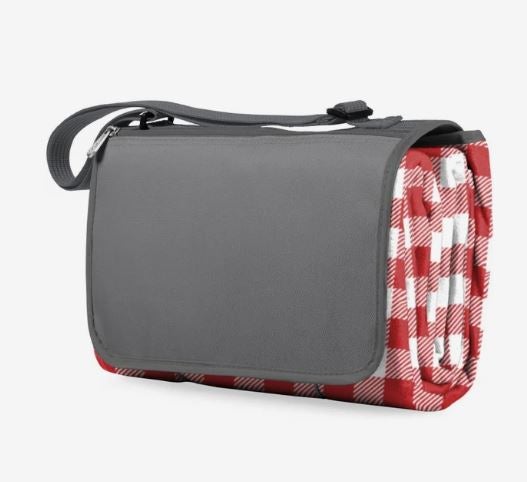
Four of the blankets we tested were designed to be sat on rather than under, featuring a soft upper fabric and a waterproof outer layer for the ground. The average heat loss for these four picnic blankets was 30.68F, compared to 22.9F for the seven fleece blankets. The fabric on the picnic blankets is designed to be soft, not warm, so it isn’t generally thick enough to hold that all-important layer of warming air. However, the Outdoor Picnic Blanket 51″ x 59″ (Q78832) actually did quite well, keeping its bottle to a total temperature loss of 23.9F. That’s not as efficient as the average fleece blanket, but still impressive.
Sherpa was the best insulator
Although all the fleece blankets (as opposed to the picnic blankets) we tested felt soft and cozy, you might have been able to guess just by looking at photos which of our blankets would turn out to be the best insulator. It was the Sherpa Blanket (Q67349): the bottle in this one lost only 15.2F over the experiment, 10F less than the average temperature loss across all the blankets.
Sherpa is synthetic fabric made to look and act like real sheep fleece, and it has some extra cozy characteristics. The fluffy texture contains air bubbles: These benefit from that hot-skin warming convection we talked about earlier, and being small, the air inside them warms up fast. This blanket also has an extra layer on top of the sherpa that helps prevent cold air getting in and warm air getting out.
Top Three Best Value Blankets
Here are the three blankets that maximized insulation at minimal cost:
-
1
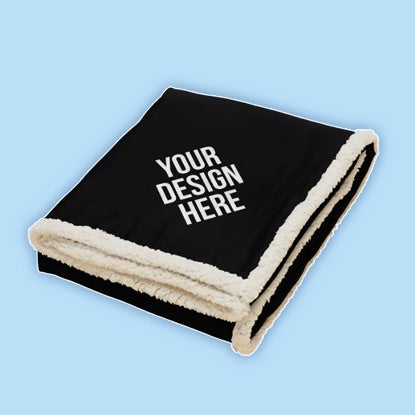

Sherpa Blanket (Q67349)
The best insulator in our test, keeping heat loss to 15.2F, this blanket is great value at around $18.
-
2
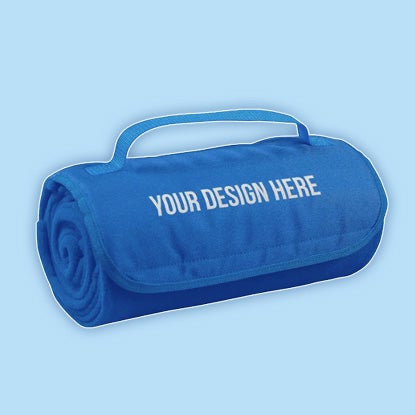
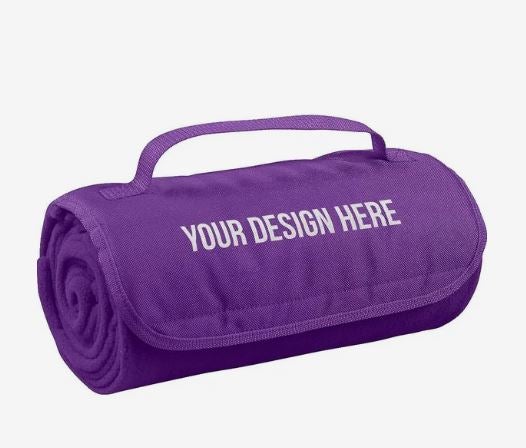
Roll-Up Blanket (Q23098)
Suitable for sitting on or cozying under, this blanket costs around $12 and its bottle lost 23.8F.
-
3
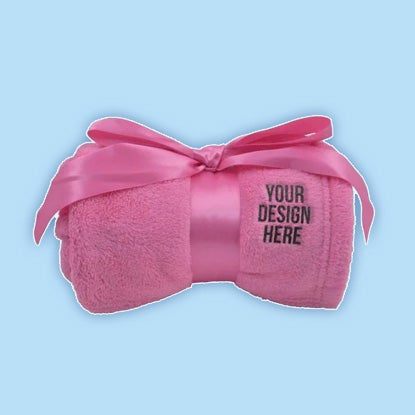
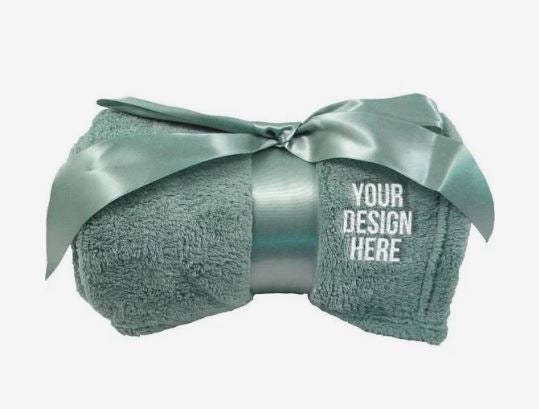
Luxury Plush Blanket (Q59003)
This super soft blanket costs around $20 and it kept temperature loss to an impressive 19.5F.
The Bottom Line
Blankets prevent heat loss by blocking cold air from reaching your warm body. Or a warm bottle, in this case. In our experiment, the coziest-looking blanket turned out to be the best insulator, thanks to the air bubbles in sherpa fabric – and for a reasonable price. The four picnic blankets in our experiment were noticeably poorer insulators than the fleece blankets, retaining on average nearly 8F less heat. So when it comes to blanket shopping, follow your instincts and invest in the coziest one you can find.
| Product Name + Q# | Image + Clip | Start Temp (F) | End Temp (F) | Total Heat Loss (F) | View Product |
|---|---|---|---|---|---|
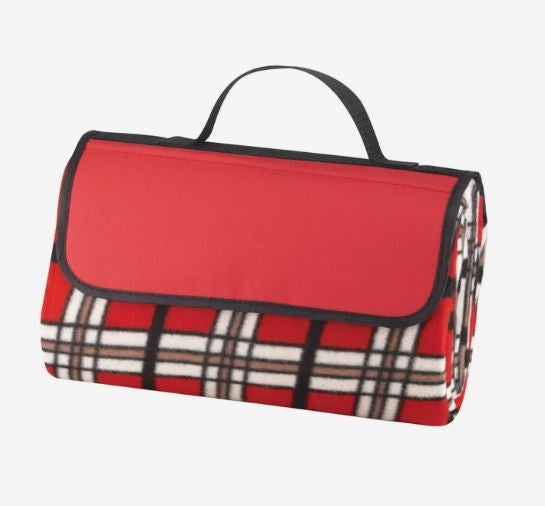
| Park Picnic Blanket (Q21638) |
|
160.9 | 124 | 36.9 | View Product |
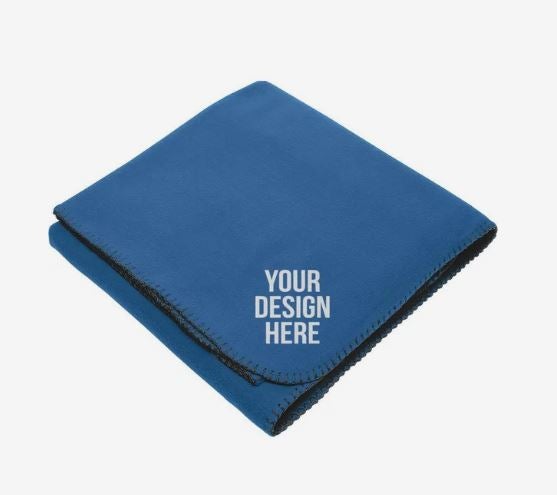
| Fleece Stadium Blanket (Q23086) |
|
159.1 | 134.1 | 25 | View Product |
| Roll-Up Blanket (Q23098) |
|
162.7 | 138.9 | 23.8 | View Product |
| Luxury Plush Blanket (Q59003) |
|
162.7 | 143.2 | 19.5 | View Product |
| Fold Up Picnic Blanket (Q59488) |
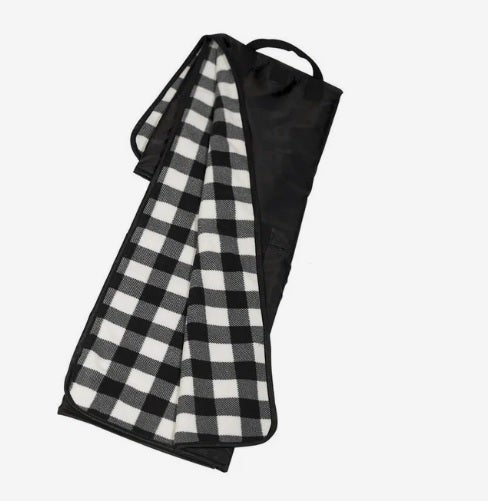
|
163.4 | 133.6 | 29.8 | View Product |
| Sherpa Blanket (Q67349) |
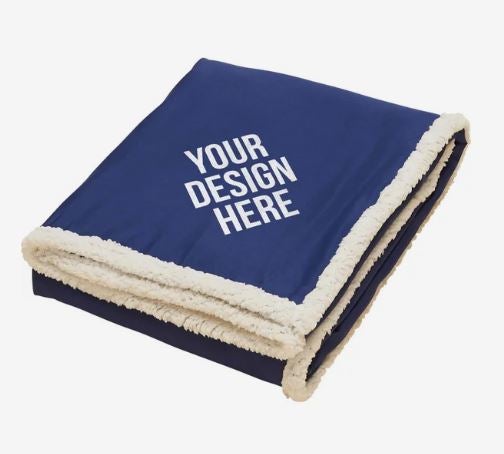
|
158.6 | 143.4 | 15.2 | View Product |
| Cozy Plush Blanket (Q68240) |
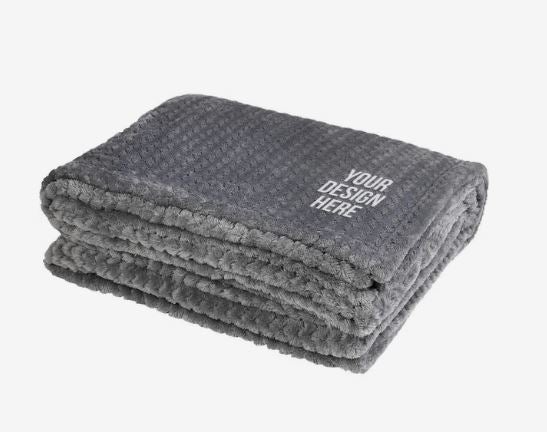
|
162.9 | 129 | 33.9 | View Product |
| Field and Co. Campster Picnic Blanket (Q73932) |
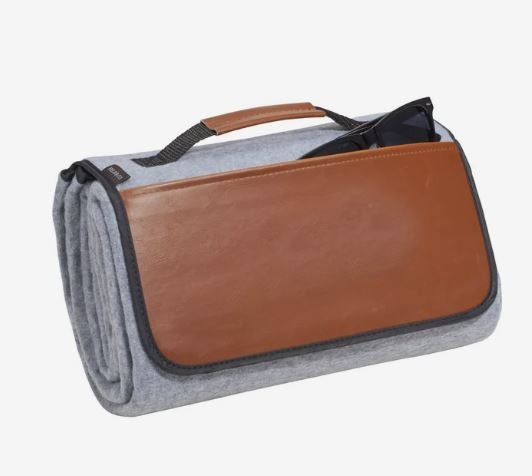
|
162.6 | 130.5 | 32.1 | View Product |
| Outdoor Picnic Blanket Tote (Q78832) |
|
162.4 | 138.5 | 23.9 | View Product |
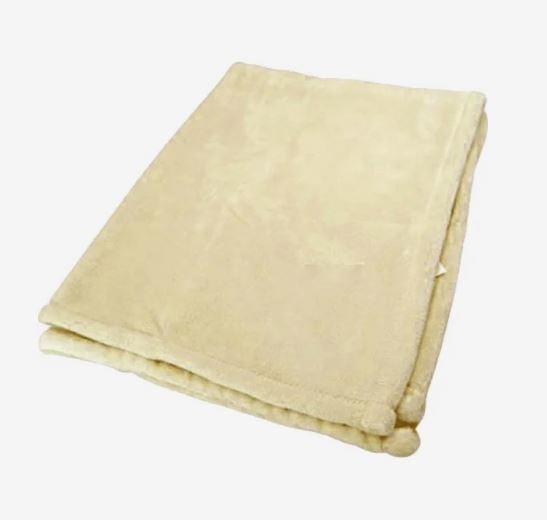
| Mink Touch Baby Blanket (Q85892) |
|
158.5 | 139.2 | 19.3 | View Product |
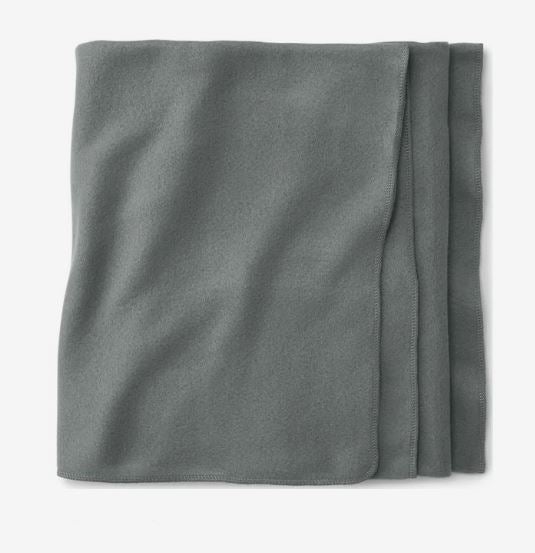
| Budget Fleece Blanket (Q86973) |
|
157.3 | 128.5 | 28.8 | View Product |
Natasha Lavender
Natasha is an experienced writer and editor who has covered topics including technology, health and safety, business, and pop culture. Her work has been published by Good Housekeeping magazine, Forbes, Success, and more.