
Glow in the dark gives your giveaways something a little extra to grab attention – but is it just a gimmick?
A bunch of our promo products come with a glow in the dark option, usually without an extra price bump. We understand why you might be skeptical about how well such affordable products can really glow. Surely that kind of alien technology requires a significant price upgrade?
We’d also like to shout out to all the people who saved their allowance to buy those glow in the dark stars that stick to the ceiling, only to find that they didn’t really live up to the hype. If you’re still holding a grudge against glow in the dark, we understand and we want to help you move on.
To shed some light on the matter and put your mind at ease, we put our glow in the dark goodies to the test.
How Glow in the Dark Promo Products Work
If you’ve used glow in the dark products before – like those stars – you know that you have to put them in light to get them to work. This is because these particular glow in the dark products use chemicals called phosphors, which are phosphorescent. That means they can absorb energy from light and then re-emit it gradually – i.e. glow! The two main types of phosphors used in glow in the dark promotional products are zinc sulfide and the newer, longer lasting, and more expensive strontium aluminate.
To understand why phosphors glow after being exposed to light, it helps to know how light affects the way we perceive objects. Light travels in “packets” called photons. Each photon carries a certain amount of energy, which corresponds to a certain wavelength. (The higher the energy, the shorter the wavelength.) Each wavelength responds to a color: You may remember this from high school physics, or the cover of Pink Floyd’s “Dark Side of the Moon.”
When the photons hit an object, say a red apple, the electromagnetic field of the photon shakes up the electrons that surround the object. The electrons absorb some of the photons, and re-emit others. It’s the wavelength of those re-emitted photons that determines the color we see. In the case of our red apple, the light hits the apple and all the photons are absorbed except the ones at the red wavelength, so the apple looks red.
With phosphorescent items, the electrons don’t just absorb the photons: The photons excite the electrons into a high energy state. (This is similar to how lasers work!) Getting the electrons excited uses up some of the photons’ energy, but the electrons hold the rest – temporarily. Eventually, the electrons start to lose the energy, re-emitting it as photons, i.e. light. That’s the glow we see. Because the photons have lost some energy, their wavelengths have lengthened, so the light being emitted is a different color, usually green. It takes a while for the energy to dissipate, and that’s why the glow lasts even after you’ve removed your glow in the dark item from the light source.
The more energy that exists in the light you use to “charge” the glow in the dark items, the faster the electrons get excited. UV light is best, although you can also use regular ceiling lights: they’ll just take a bit longer to get the same glow.
Methodology
-
1
We laid out all our items on a tray and left them outside in the sun for 1 hour.
-
2
We moved the tray to a dark room and took a photo every second for 90 minutes to create a timelapse.
-
3
We recorded the point at which each item stopped glowing.
Video
Key Takeaways
Brighter Glows Last Longer
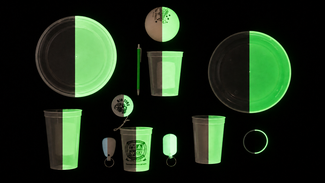
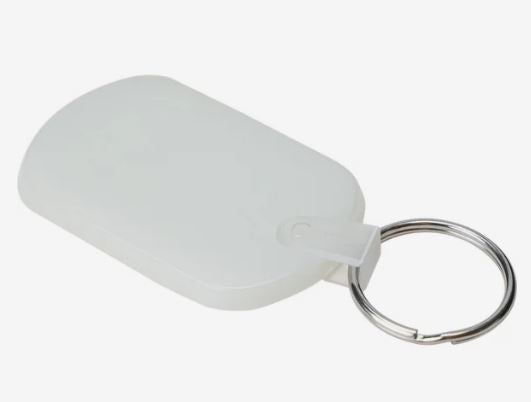
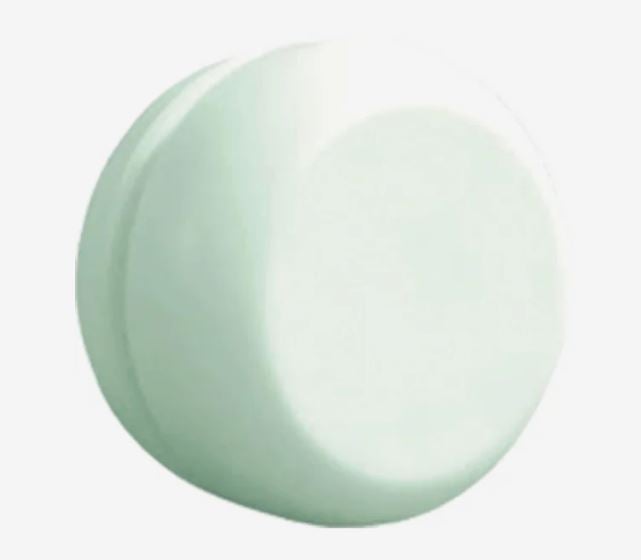
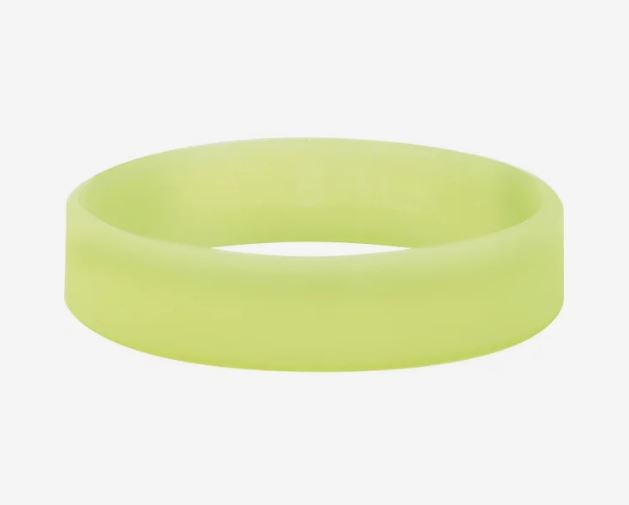
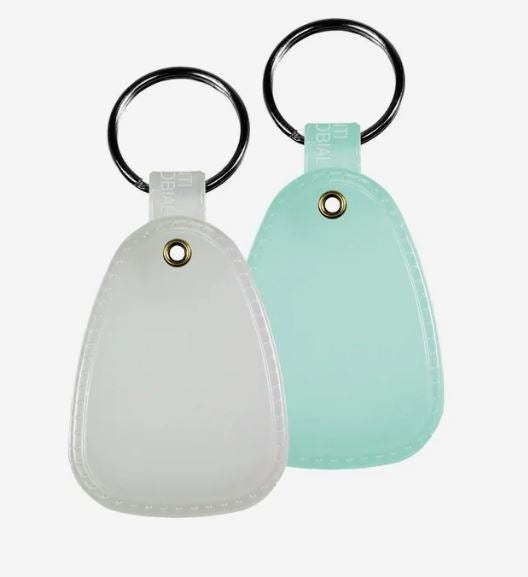
After their hour of sunbathing, all our products emitted a very obvious glow in the dark room. Some were brighter than others, notably the Classic Series Yo-Yo (Q89240), the Antimicrobial Western Saddle Key Tag (Q5852), the Tag Soft Plastic Keychain (Q71530), the Glow in the Dark Flyer (Q19716), the Silicone Awareness Wristband (Q5109), the Nite Glow Stadium Cup (Q5822), and the Glow in the Dark Stadium Cup (Q47556). All but the Nite Glow Stadium Cup (Q5822) proved to have the longest-lasting glows – at least 30 minutes – so a good way to tell if a glow in the dark item is going to last is to see how brightly it glows in the first place.
The Glow Doesn’t Last
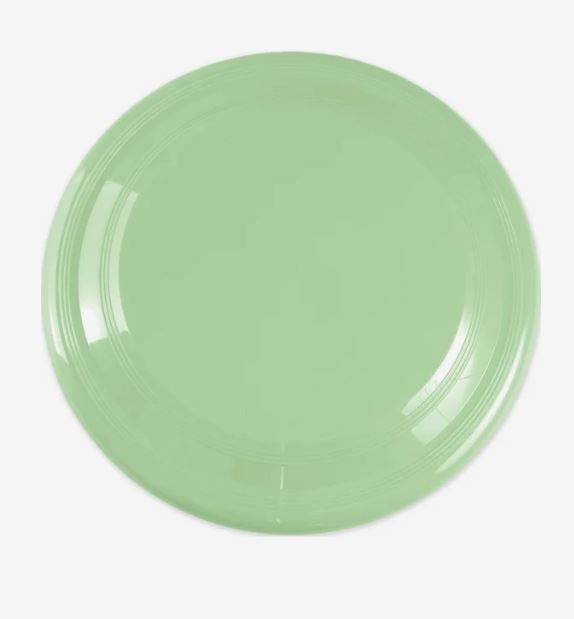
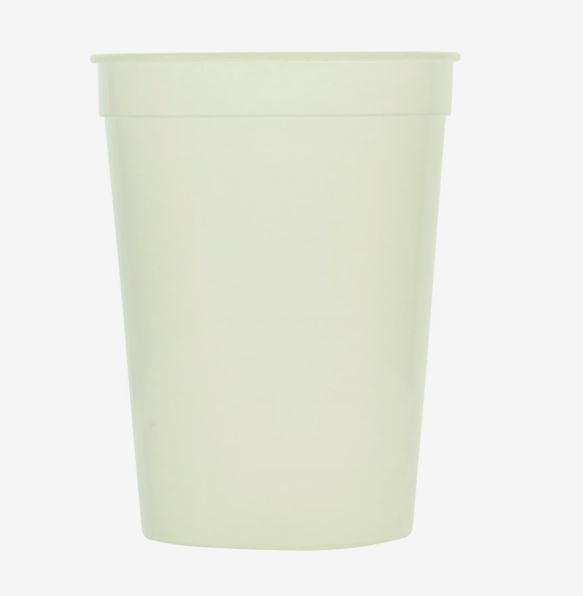
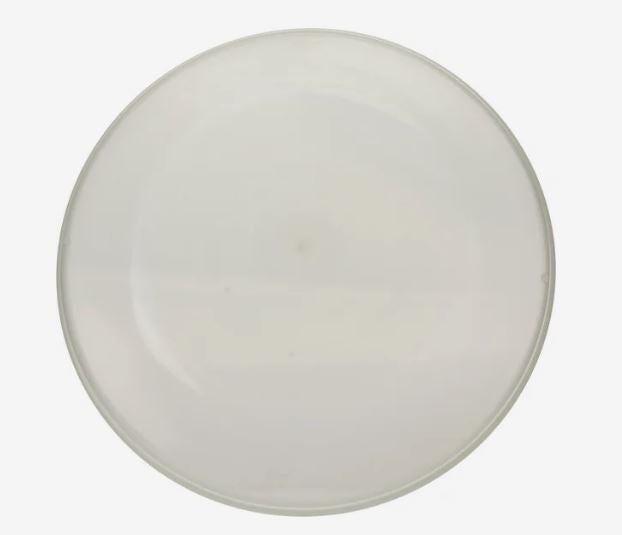
After five minutes, five of our 11 glow items had lost most of their glow. A couple of those – the Nite Glow Stadium Cup (Q5822) in the middle of the bottom row, and the Frisbee Flying Disc (Q1074) on the right – had areas that continued to glow dimly for another 15 and five minutes respectively. But they didn’t look anywhere near as bright as the other six items that were still going and glowing.
Smaller Items Glowed for Longer
Our top four items that glowed for the longest – at least an hour and 10 minutes – were all the smallest items we tested. It may be that manufacturers are more likely to use the more effective and more expensive strontium aluminate on smaller items, since a smaller surface area requires less of the chemical. It could also be that with fewer electrons to “charge,” the light managed to reach a higher percentage of them over the course of an hour, which led to a more even and longer-lasting glow.
Best Overall
If you want the longest glow for your dough, go with the Tag Soft Plastic Keychain (Q71530) or the Classic Series Yo-Yo (Q89240). Both of these still had a discernible glow after 90 minutes: That’s over 22.5 times longer than the two joint worst-performing items, which lasted only four minutes. It’s also more than 15 minutes longer than the second-best performing item.
Best in Category
We tested several of the same type of item: here’s what to buy if you’re after a specific product.
Best Cup
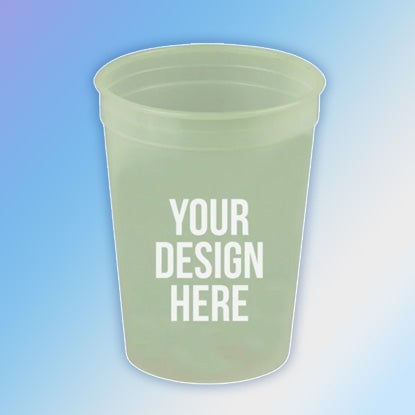
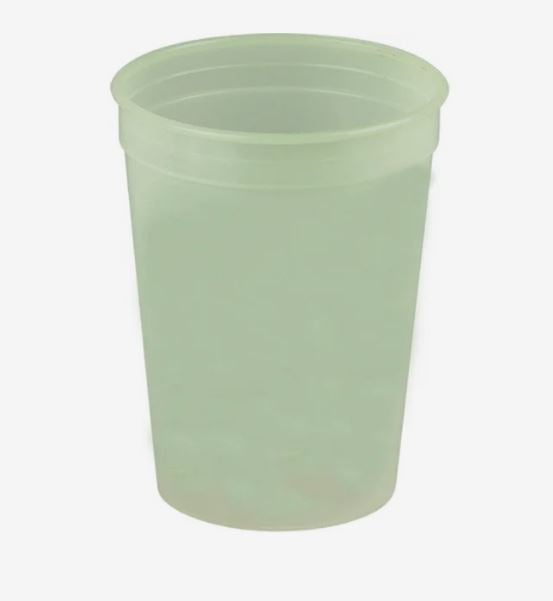
Of the four cups we tested, the Glow in The Dark Stadium Cup (Q47556), which holds 12oz, glowed for the longest, lasting 30 minutes. The other 12oz cup, the Nite Glow Stadium Cup (Q5822), lasted 20 minutes – but the other two cups each held their glow for only four minutes, putting them in joint last place of the whole experiment.
Best Key Tag
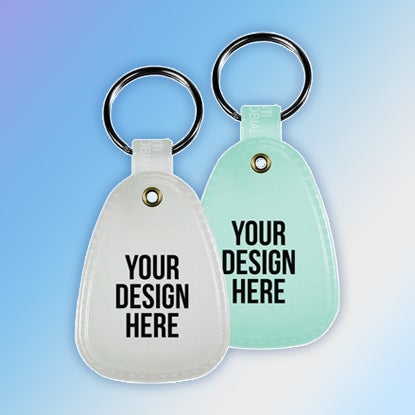
Both of our key tags performed very well, with the Antimicrobial Western Saddle Key Tag (Q5852) coming in fourth with a very respectable 70 minutes, and the Tag Soft Plastic Keychain (Q71530) coming joint first, lasting over 90 minutes.
Best Flyer
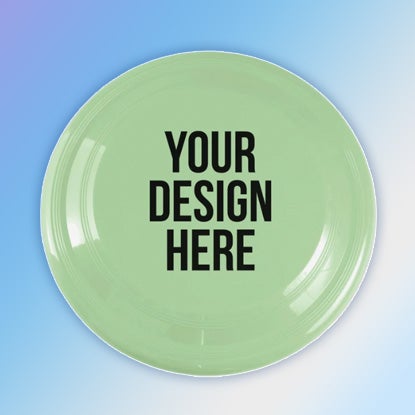
The Glow in The Dark Flyer (Q19716) soared past its competitor, keeping a glow for 45 minutes, compared to the Frisbee Flying Disc (Q1074) at just 10 minutes.
The Bottom Line
The alien technology worked! Not so alien, it turns out. After an hour of sunlight, all our promo products glowed when we moved them into a dark room. Five lost most of their glow within five minutes, but four kept a discernible glow for over an hour. Two factors that indicate how long an item will glow are its size (smaller lasted longer in our test) and how bright it starts out immediately after being in the sun: the brighter the better. Glow forth and enjoy!
| Product Name + Q# | Image + Clip | Minutes Glow Lasted | View Product |
|---|---|---|---|
| Tag Soft Plastic Keychain (Q71530) |
|
90 | View Product |
| Classic Series Yo-Yo (Q89240) |
|
90 | View Product |
| Silicone Awareness Wristband (Q5109) |
|
75 | View Product |
| Antimicrobial Western Saddle Key Tag (Q5852) |
|
70 | View Product |
| Glow in the Dark Flyer (Q19716) |
|
45 | View Product |
| Glow in the Dark Stadium Cup (Q47556) |
|
30 | View Product |
| Nite Glow Stadium Cup (Q5822) |
|
20 | View Product |
| Frisbee Flying Disc (Q1074) |
|
10 | View Product |
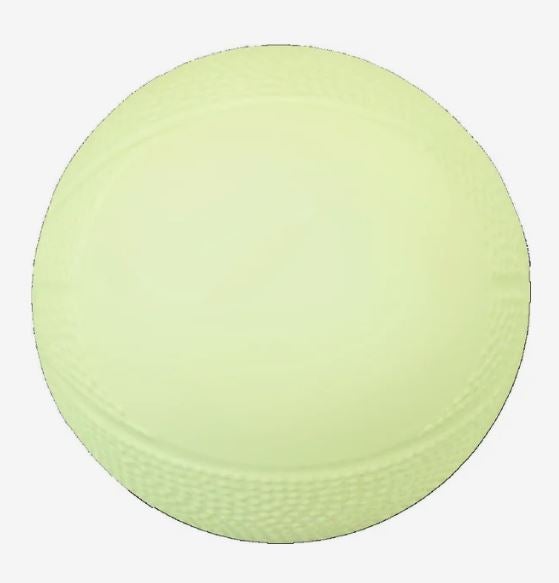
| Mini Vinyl Basketball (Q66873) |
|
5 | View Product |
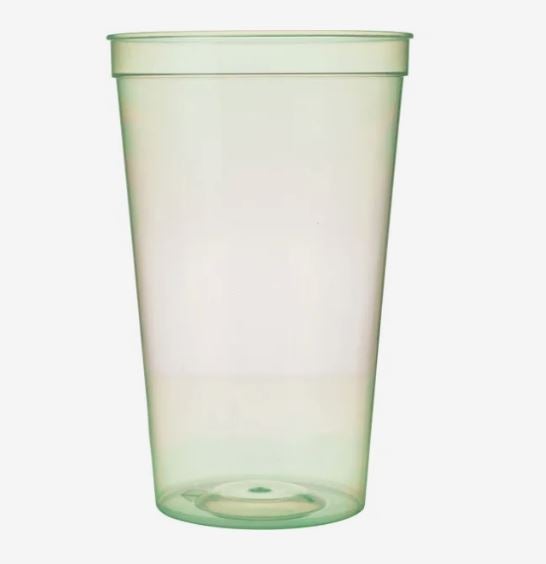
| Smooth Stadium Cup (Q1374) |
|
4 | View Product |
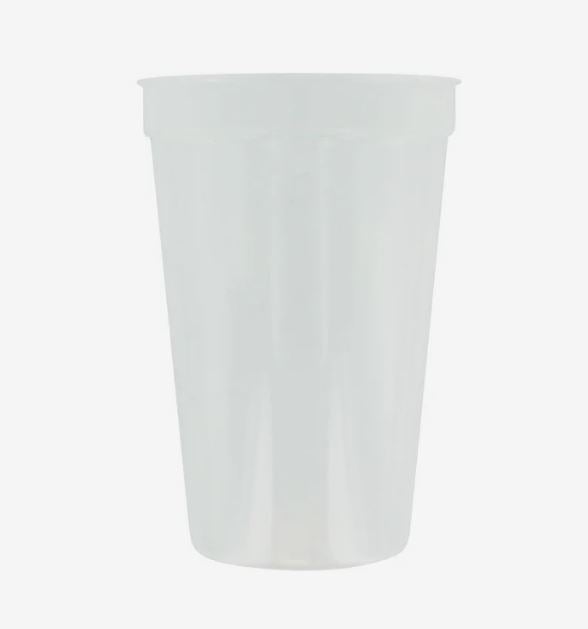
| Polypropylene Stadium Cup (Q33873) |
|
4 | View Product |
Natasha Lavender
Natasha is an experienced writer and editor who has covered topics including technology, health and safety, business, and pop culture. Her work has been published by Good Housekeeping magazine, Forbes, Success, and more.


