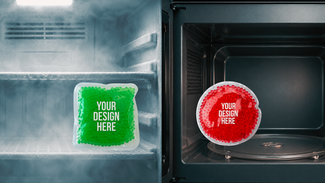
When we talk about our hottest products or the coolest promos, we have to mention hot/cold packs. They’re great for cooling down on a hot day, or vice versa, and a lot of athletes use them to treat minor injuries. As promos, they’re useful, portable, and have a nice space for your design. But how well do they work? We tested our bestselling hot/cold packs to see if they can handle the heat. Or the cold.
What’s Inside Hot/Cold Packs
There are different types of hot/cold packs, but most of ours use gel beads. These are made from a polymer, usually sodium polyacrylate, which is able to hold a lot of water. The beads start out tiny and dry, then expand when you add water – like rice or beans.
The advantage of using gel beads over a single big gel block is that they’re able to form around your body. They also take less time to freeze or heat, because they have a lower volume. The liquid around the gel beads is typically water combined with something to lower the freezing temperature so that the pack stays malleable even when it’s very cold, and a gelling agent to thicken the liquid so you’re not carrying around a bag of sloshing water.
Video
How Hot/Cold Packs Work
Hot/cold packs rely on simple but elegant science. The gel beads hold water, because water has this cool superpower called a high specific heat capacity. That means it takes a lot of energy to raise or lower the temperature of water by even a few degrees. You can think about it as water holding on to heat. Luckily, although heating water takes a lot of energy, we’ve found a modern and convenient way to do it: the microwave! Microwaves work by vibrating water molecules, which creates friction that causes the water molecules to heat up.
The cold side relies on cool properties (literally) of ice. Raising the temperature of ice from anything below freezing up to freezing (32F) doesn’t take that much energy – not as much as it would take to raise the temperature of water by the same amount. But getting ice to go above freezing takes a lot of energy, because you’re not just changing the temperature, you’re changing the state of matter from a solid to a liquid. The colder the ice to begin with, the further it has to go to heat up to that magic freezing temperature. Once it’s at freezing, it stays there for a relatively long time while it collects the energy it needs in the form of heat.
How to Use Hot/Cold Packs
This is not the part where we pretend to be medical experts. This is not medical advice! We just wanted to note that real medical professionals recommend limiting the time you apply cold or heat to no longer than 20 minutes. They also recommend always putting something like a cloth between you and the hot or frozen pack to avoid damaging your skin.
Cold Method
Note that we straight up ignored the instructions on the individual packs, many of which say to only put them in the freezer for a couple of hours. Read and follow the product instructions!
-
1
We put our packs in the freezer overnight.
-
2
As a control, we took the temperature of a spare pack that had been sitting in our air conditioned office for a few days. The A/C was set to 72F, and the reading of the pack showed it as 78F.
-
3
We used a thermal camera to measure the temperature of the cold packs every 20 minutes.
-
4
We did this for 2 hours and recorded the minimum temperature.
Heat Method
Once again, we ignored the individual instructions on the packs. We don’t recommend that, particularly since these things can get very hot. Read the instructions, don’t be like us!
-
1
We put our hot packs in the 1250 Watt microwave one at a time for 15 seconds on full power.
-
2
We used a thermal camera to measure the temperature of the packs every 15 minutes.
-
3
We did this for 45 minutes and recorded the maximum temperature.
Key Takeaways
The Packs Stayed Cold for a Long Time
After 20 minutes, only two of our cold packs had risen above freezing, to 32.5F and 35.5F respectively. The mean temperature was a cold 28.5F – not even at that magic freezing point yet. Since 20 minutes is the maximum amount of time doctors recommend using an ice pack on an injury, you can be sure that any of the ice packs will work for that long.
Even after two hours, none of our cold packs had returned to room temperature: the warmest was 66.1F and the coolest was 42.3F. They’ve definitely got the cold part taken care of.
The Hot/Cold Packs Got Very Hot
Watch your fingers! We recorded some very hot temperatures coming off our hot packs straight out of the microwave. For comparison, the surface of your skin is usually between 92.3F and 98.4F. The highest pack got up to a frankly alarming 189.8F, while the average across all of the packs was 152.1F! And because microwaves heat from the outside in, those hottest temperatures were on the outside of the hot packs.
Hot things start to feel painful at around 113F, and prolonged contact with anything over 122F can damage your skin. This is why it’s important to have a barrier between your skin and the pack – the same with ice. It also explains why most of the instructions tell you to start by microwaving for 5 seconds, not 15: this is why you should definitely follow the instructions.
Most Didn’t Stay Very Hot
Despite that initial burst of heat, the packs were less efficient at retaining heat than they were at staying cold. After 15 minutes the mean temperature had dropped by 47.7F, to a comfortable 104.4F. Twelve were in that 98.4F to 113F sweet spot: four were colder than 98.4F and four were hotter than 113F. The smallest one was still a sizzling 131.3F!
After 45 minutes out of the microwave, the highest temperature was 88.3F and the mean temperature was 82.9F: 10F hotter than our room temperature, but at least 10F cooler than skin temperature, which made them feel noticeably cool.
Hot/Cold Packs Are Better at Cold
The packs lost their heat faster than they warmed up. In our hot test, they lost on average 3.18F a minute for the first 15 minutes. In our cold test, they gained on average 0.49F a minute for the first 20 minutes.
This partly isn’t the hot packs’ fault. According to Newton’s Law of Cooling, the bigger the difference in temperature between an object and the air around it, the faster the object will change temperature to match its surroundings. This works for both cold objects in a 72F room, and hot objects in a 72F room, but since the packs got hotter than they got cold, there was a greater difference between the room temperature and the packs when they were hot. The average temperature coming out of the microwave was 152.1F, which is 80.1F higher than 72F. The average temperature coming out of the freezer was 18.8F, which is a difference of 53.2F. Which meant that on average, the packs lost heat faster.
There’s also the fact that it was easier to get the packs completely frozen than to get them completely hot. We were able to put them in the freezer overnight, which was enough time for the pack to freeze all the way through. You can see this in the thermal photographs we took immediately after they came out of the freezer: There’s a dark blue core somewhere near the center of each pack. This means that even as it loses heat from the edges, the pack still has some cold left in it that determines the minimum temperature.
In contrast, we couldn’t heat the packs evenly. The microwave was making the outside of each pack really hot, while leaving the inside colder. You can see in our first round of post-microwave photos that most of the packs still have blue splodges. This is also why the smaller packs tended to be hotter in that first round: the microwaves were able to penetrate all the way to their centers.
The Best of the Bunch
Find out which of our hot/cold packs to buy, based on your temperature preferences.
Best For Cold
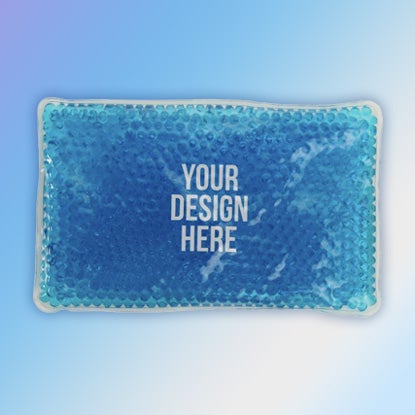
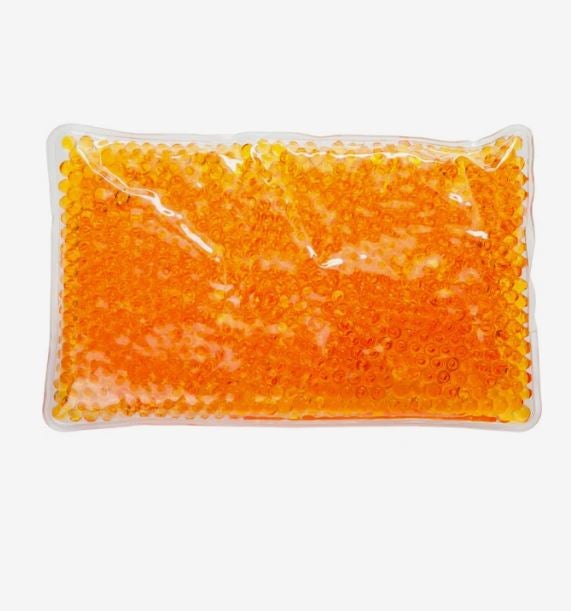
Deluxe Aqua Pearls Hot/Cold Pack (Q43295)
Although all of our packs performed better in our cold test, one really stood out. The Deluxe Aqua Pearls Hot/Cold Pack (Q43295) got very cold, with an initial reading of 14.8F, just behind the coldest at 14F. After 20 minutes, it had the lowest temperature, at 21.6F – 3F lower than the second-coldest pack. After 2 hours, it was still the coldest pack by 12F, at 42.3F. Over 2 hours, it gained an average of 0.23F a minute – well below the 0.35F average.
This was one of our largest packs, at 0.5″ D x 7.5″ W x 4.5″ H. The other large gel bead pack was slightly smaller, at 7″ W x 4″ H, and it also performed well, landing at 25.4F after 20 minutes, for an average increase per minute of 0.3F. This can probably be attributed to the fact that they have more beads than smaller packs, which means more ice, which means a lower minimum temperature.
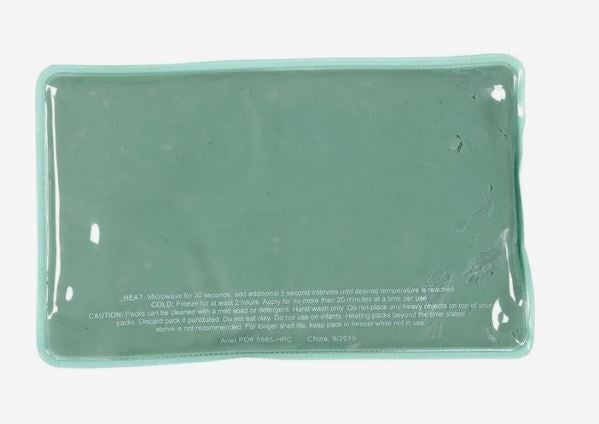
Notably, our other large pack, Plush Large Rectangle ComfortClay Hot Cold Pack (Q69142) performed the worst in our cold test. This one is a solid clay rectangle, rather than lots of small beads. Although it got down to 17.5F in the freezer, after 20 minutes, it was already at 35.5F. The larger surface area, compared to the beads, led to more heat transfer and faster heat loss.
Best For Heat
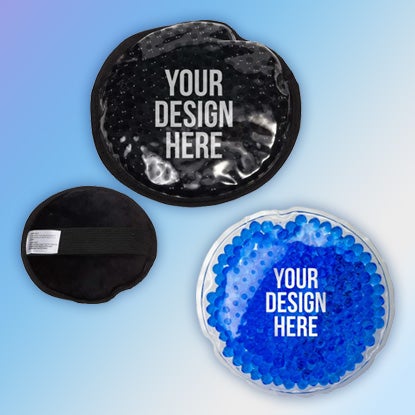
Plush Round Hot and Cold Pack (Q57555)
Round GelBead Hot Cold Pack (Q57074)
It was harder to assess which of our packs did the best at heat. Some of them got really hot – too hot, you could argue – and most of those very hot ones lost heat quickly, because of Newton’s Law of Cooling (good job paying attention earlier!) They had a larger temperature difference compared to the ambient air, so they lost heat faster.
The ones that lost heat slower didn’t get very hot in the first place, and were below skin temperature after 15 minutes, which seems to defeat the point.
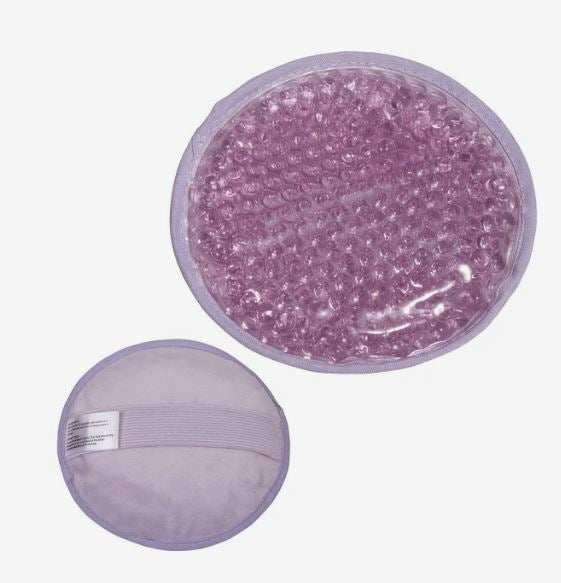
Given these issues, we found two Goldilocks packs for heat. The Plush Round Hot and Cold Pack (Q57555) only got to 109F, which is on the cooler side. It lost the least heat in 15 minutes, reaching 98.4F, which is about skin temperature. That’s a good option if you’d rather not burn your fingertips off. (Although you should still be careful.)
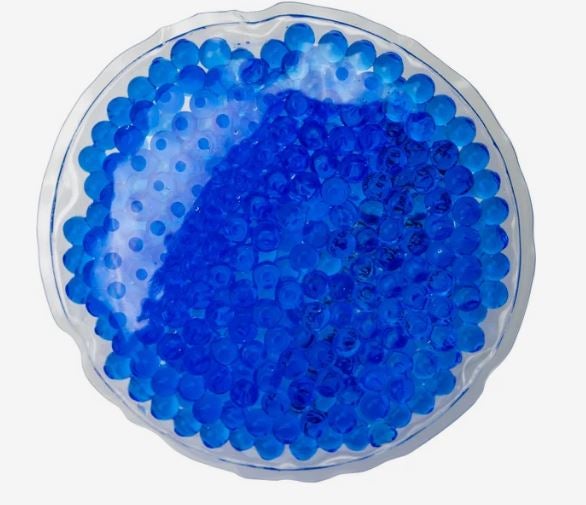
Another good option is the Round GelBead Hot Cold Pack (Q57074), which got to a toasty 144.4F and dropped to 105.7F in 15 minutes. Of all the packs, this one started high but not as high as some of the others, and it ended lower than the 113F pain point, but not so low that you couldn’t feel some heat from it.
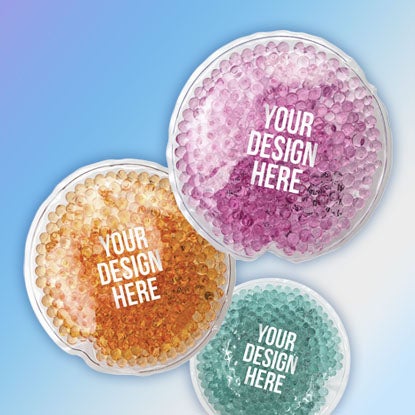
Best All-Rounder
Round GelBead Hot Cold Pack
This one did well in the hot round, as we’ve just looked at, and it performed respectably in the cold too. It recorded 19.8F straight out of the freezer, and only rose by 9.9F to a still chilly 29.7F after 15 minutes. The average temperature increase per minute for the first 15 minutes was 0.49F, compared to this one which rose by an average of 0.5F – so pretty good, especially when you consider its heat performance too.
The Bottom Line
Hot/cold packs are effective for the recommended maximum time of 15 to 20 minutes, although they don’t hold the heat as well as they hold the cold. Because they’re so good, we want to again remind you to read the instructions and to make sure you use a barrier between your skin and the pack, so they aren’t too effective for your own good.
| Q# + Product Name | Image + Video | Cold: Start Temp (F) | Cold: Temp After 20 Minutes (F) | Cold: Temp After 2 Hours (F) | Hot: Start Temp (F) | Hot: Temp After 15 Minutes (F) | Hot: Temp After 45 Minutes (F) | View Product |
|---|---|---|---|---|---|---|---|---|
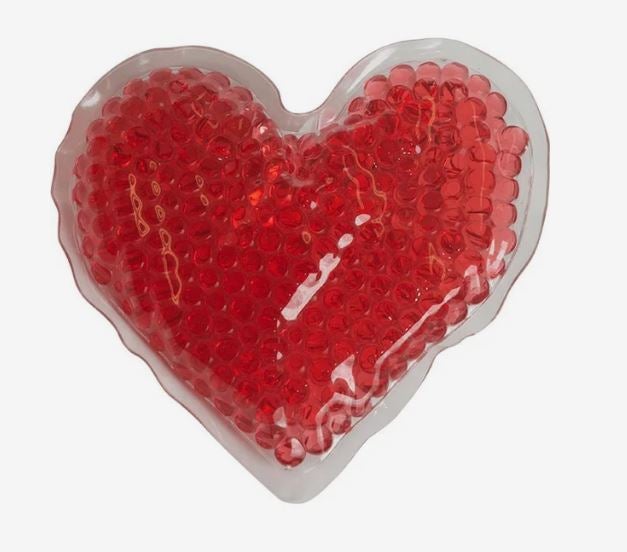
| Gel Beads Hot/Cold Heart-Shaped Pack (Q63320) |
|
17 | 27.4 | 57.4 | 154.43 | 95.6 | 79.4 | View Product |
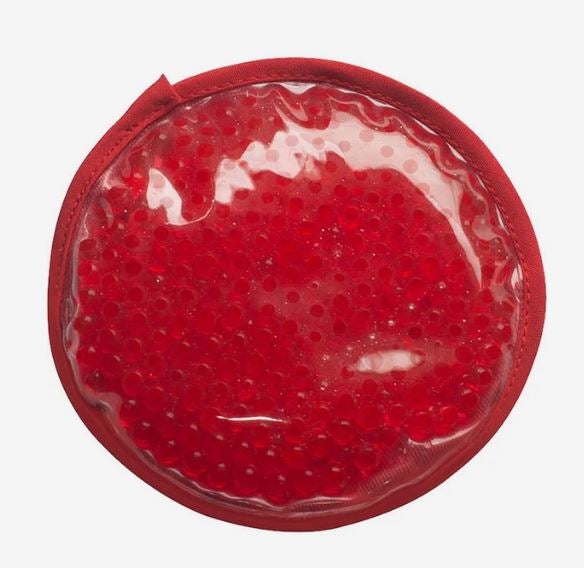
| Plush Gel Beads Circle Hot/Cold Pack (Q59158) |
|
18.6 | 28 | 54 | 158.4 | 102.3 | 83.8 | View Product |
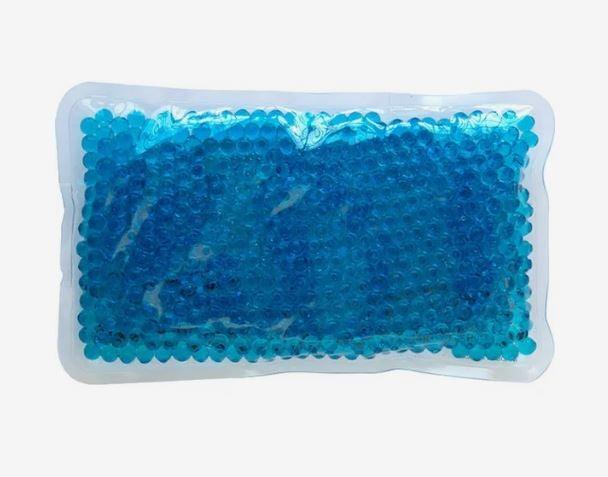
| Gel Beads Rectangle Hot/Cold Pack (Q59163) |
|
19.4 | 25.4 | 59.6 | 113.9 | 85.5 | 76.2 | View Product |
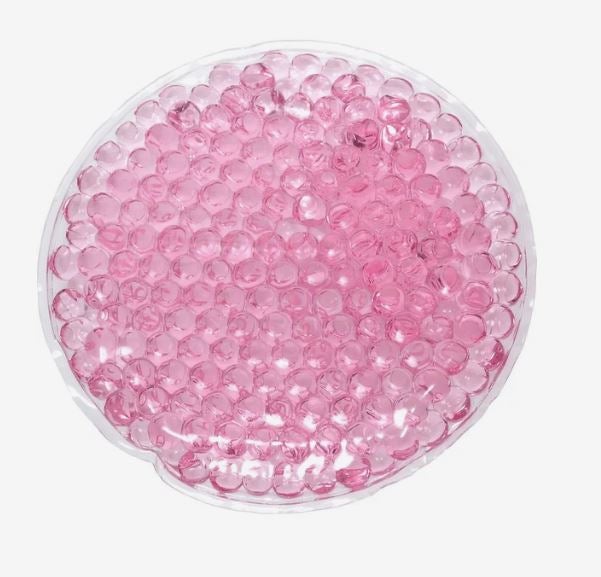
| Round 4.25″ Aqua Pearls Hot/Cold Pack (Q57280) |
|
19.7 | 30.1 | 60.5 | 156.5 | 105.5 | 81.7 | View Product |
| Deluxe Aqua Pearls Hot/Cold Pack (Q43295) |
|
14.8 | 21.6 | 42.3 | 121.5 | 85.2 | 78.2 | View Product |
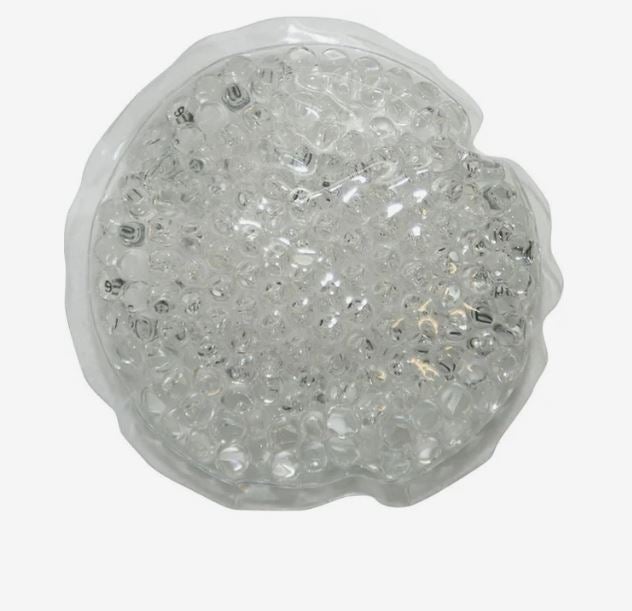
| Gel Beads Small Circle Hot/Cold Pack (Q59161) |
|
18.8 | 30 | 60.9 | 168.5 | 100.7 | 80.9 | View Product |
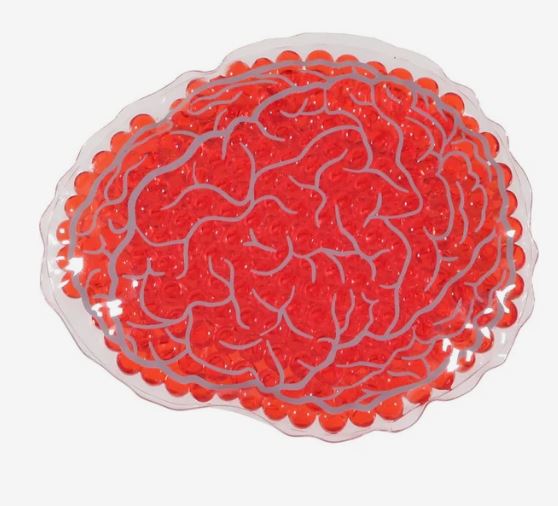
| Brain Hot/Cold Pack (Q62262) |
|
17.8 | 28 | 64.6 | 141.1 | 102 | 82.1 | View Product |
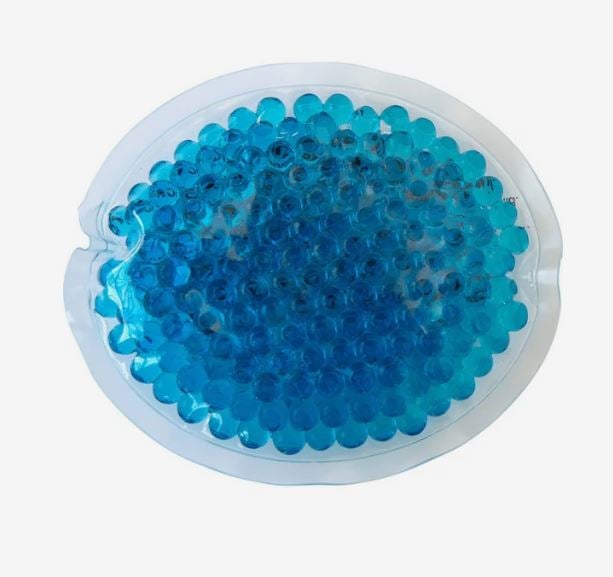
| Gel Beads Small Oval Hot/Cold Pack (Q59165) |
|
14 | 28.2 | 61.3 | 172 | 113.9 | 84.5 | View Product |
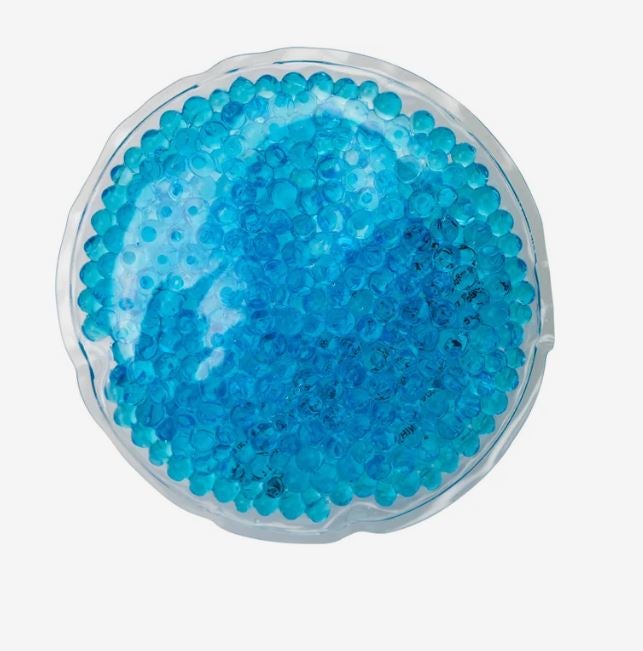
| Small Round Gel Beads Hot/Cold Pack (Q57756) |
|
21.1 | 28 | 64.6 | 165.9 | 106.6 | 85 | View Product |
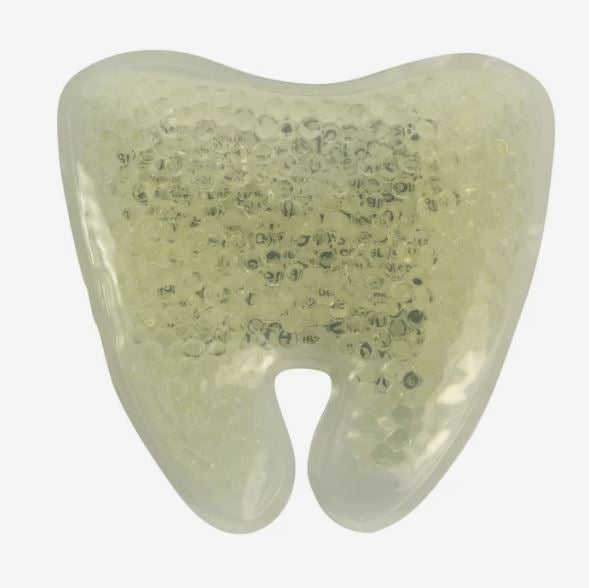
| Tooth GelBead Hot/Cold Pack (Q57072) |
|
22.7 | 29.8 | 65.2 | 160.9 | 110.5 | 84.2 | View Product |
| Round GelBead Hot/Cold Pack (Q57074) |
|
19.8 | 29.7 | 64 | 144.4 | 105.7 | 84.4 | View Product |
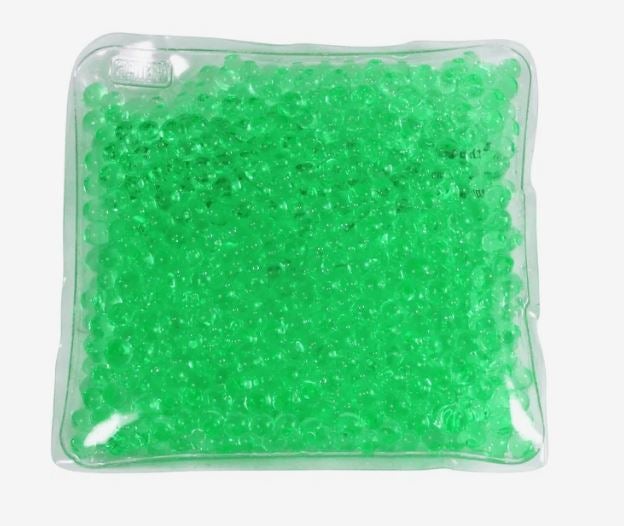
| Square Gel Beads Hot/Cold Pack (Q56019) |
|
15.5 | 27.6 | 58.8 | 151.6 | 101.3 | 83.4 | View Product |
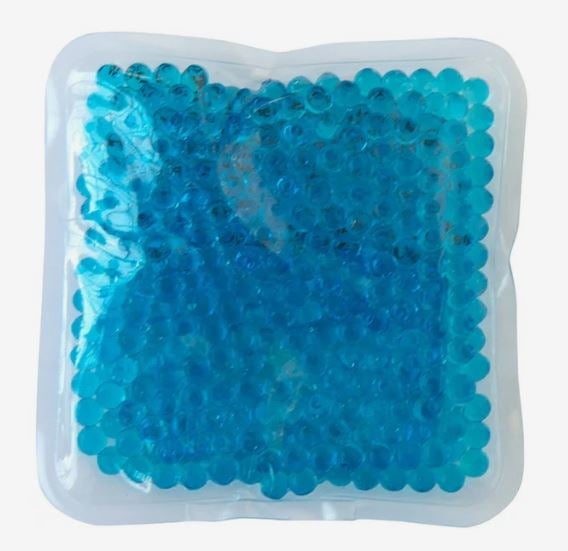
| Gel Beads Square Hot Cold Pack (Q59162) |
|
17.3 | 24.3 | 63.4 | 144.7 | 105.4 | 84.3 | View Product |
| Plush Large Rectangle ComfortClay Hot/Cold Pack (Q69142) |
|
17.6 | 35.5 | 63.5 | 188.7 | 95.8 | 78.9 | View Product |
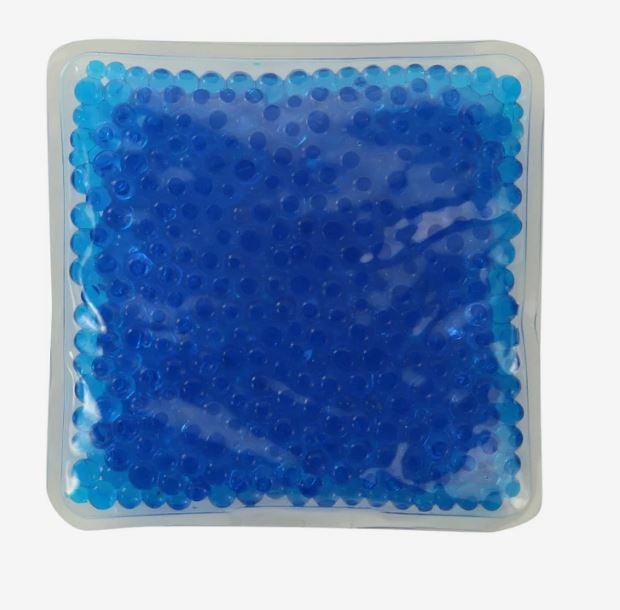
| Square GelBead Hot/Cold Pack (Q57069) |
|
20.1 | 27.4 | 62.2 | 151.2 | 103.7 | 83.4 | View Product |
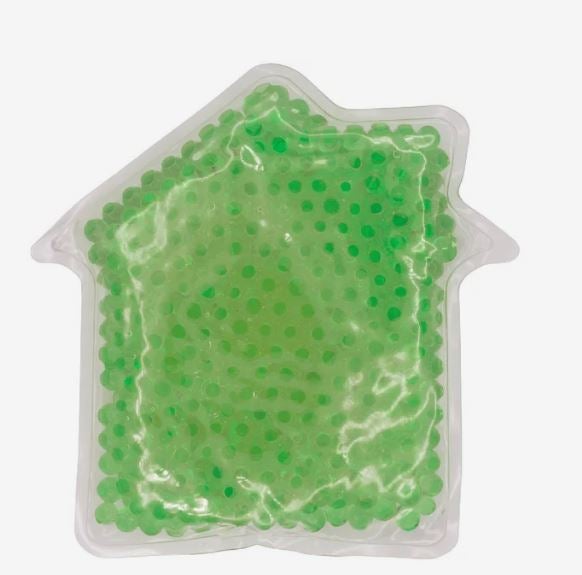
| House GelBead Hot/Cold Pack (Q57079) |
|
17.5 | 26.2 | 61.6 | 154.3 | 109.4 | 84.3 | View Product |
| Plush Round Hot/Cold Pack (Q57555) |
|
19.9 | 32.5 | 62.7 | 109 | 98.4 | 83.7 | View Product |
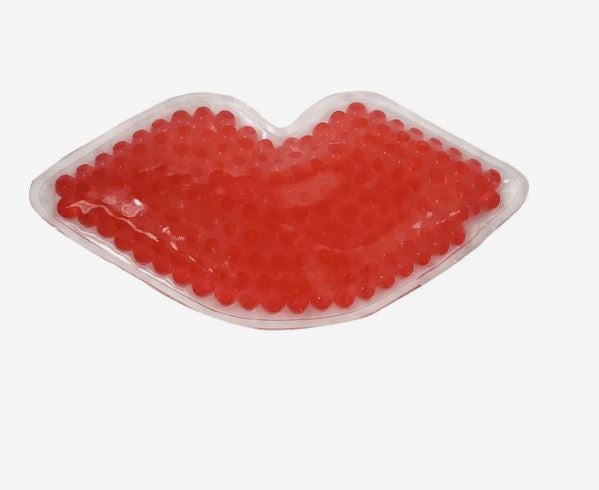
| Lips Gel Beads Hot/Cold Pack (Q81133) |
|
19.2 | 29.7 | 64.7 | 189.8 | 131.3 | 85.2 | View Product |
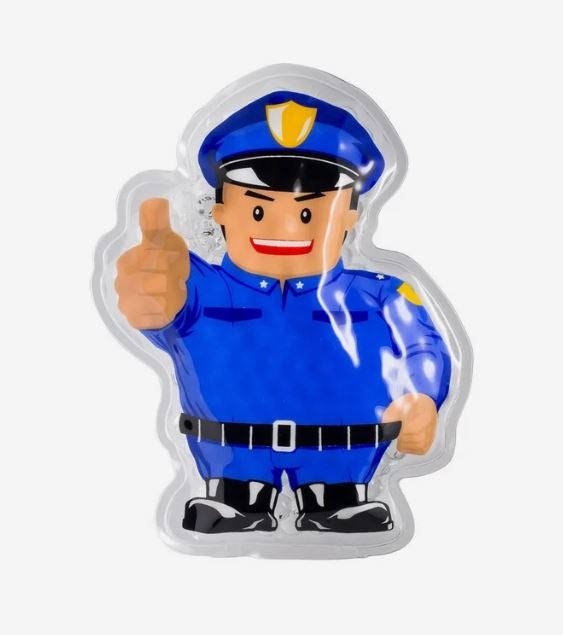
| Police Officer Aqua Pearls Hot/Cold Pack (Q72582) |
|
20.1 | 30 | 66.1 | 152.5 | 118.3 | 88.3 | View Product |
| Large Heart Gel Hot/Cold Pack (Q60394) |
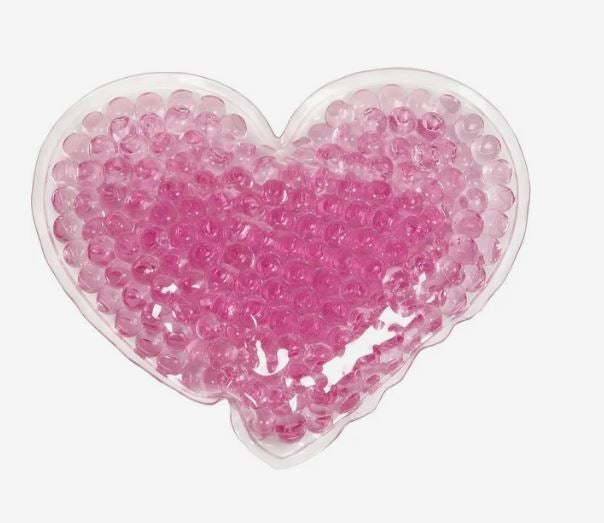
|
25.8 | 31 | 65.7 | 156.7 | 114.7 | 85.7 | View Product |
Natasha Lavender
Natasha is an experienced writer and editor who has covered topics including technology, health and safety, business, and pop culture. Her work has been published by Good Housekeeping magazine, Forbes, Success, and more.