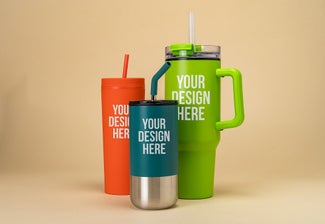
When you see a water bottle or tumbler labeled “double-walled vacuum-sealed,” those aren’t just buzzwords. These water bottles are like the special forces of water bottles.
We can probably thank the Stanley Quencher craze for making them ubiquitous. And we should thank Stanley, because as we’ll see, double-walled water bottles – and specifically ones with a vacuum seal – are far more effective at keeping drinks hot or cold than single-walled bottles.

Single Vs Double Walls
Most water bottles have a single wall. The word “wall” is really far too dramatic: it just means how many layers of material make up the water bottle. In a simple plastic or aluminum water bottle, it’s only one layer.
As you’ve likely deduced, double-walled water bottles have two layers, with a gap between them. The inner layer is usually 18/8 stainless steel – more on that later. Technically, the outer layer doesn’t have to be food-safe, since it never comes into direct contact with your drink. (That lack of contact is integral to how double-walled bottles insulate liquid, as we’ll see.) But it’s usually also 18/8 stainless steel, or steel, often with a powdered coating.
Most double-walled water bottles and tumblers are also vacuum-sealed, which means that the air has been removed from the gap between the two walls. This is key to making the water bottle way more effective at keeping hot drinks hot and cold drinks cold.
That’s not to say single-walled water bottles are never a better choice when you’re ordering promo products. First of all, they’re typically easier on your budget. Second, double-walled bottles are heavy. If you’re looking for a water bottle people can comfortably carry around, a single-walled aluminum or plastic bottle is a better choice. It’s just that when insulation efficiency is the goal, you’ve got to go for the double wall and the vacuum seal.
What Makes Double-Walled Vacuum-Sealed Water Bottles So Great
In short, it’s science! The cause of and solution to all of life’s problems, to quote Homer Simpson. He was talking about beer, but you know what makes beer? That’s right, science. Cheers, science.
What is Heat Transfer?
Specifically, the reason double-walled vacuum-sealed water bottles and tumblers are great comes down to how they manage the science of heat transfer.
We think about heat as a sensation of warmth. But when we talk about drinks being hot or cold, or losing or gaining heat, we’re actually talking about thermal energy.
Thermal energy is created by atoms moving. The more thermal energy the atoms have, the faster they move, and the hotter the substance.
Heat transfer happens because those high energy hot atoms naturally move towards low energy cool atoms. The hot atoms transfer their energy to the cold atoms, until they’re all the same temperature.
I think of the hot atoms as those unnaturally energetic people at a party who want to make sure everyone has an equally good time. They look out for the people who look tired or bored, and run over with all their enthusiasm, to get them in the party spirit.
Heat transfer is the reason a cold drink warms up on a hot day, and why a hot drink cools down on a cold day. It works in three main ways, and double-walled vacuum-sealed water bottles are designed to counter all of them.
Conduction
How It Works
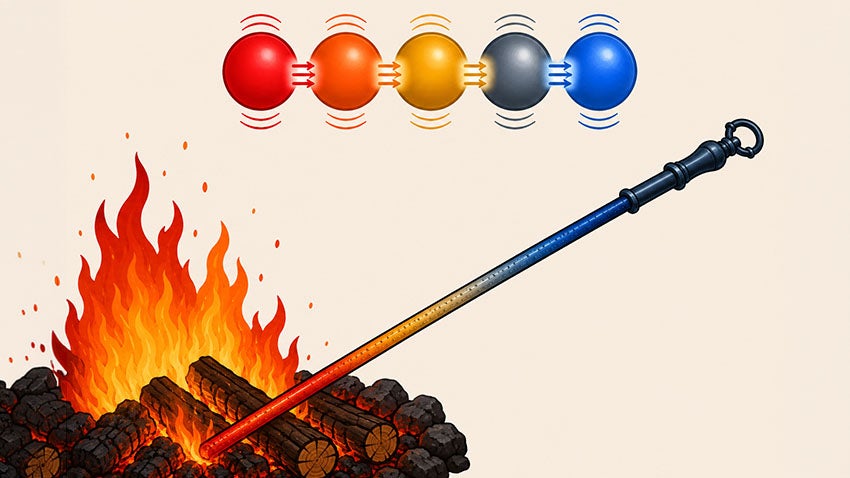
Direct contact between atoms. When a hot atom bashes into a cooler atom, it passes some of its heat energy on to the cooler atom.
Real world example: When you stick a metal poker into a fire, and the fire warms the poker. And eventually your hand, although conduction takes a relatively long time.
How Your Double-Walled Vacuum-Sealed Water Bottle Stops It
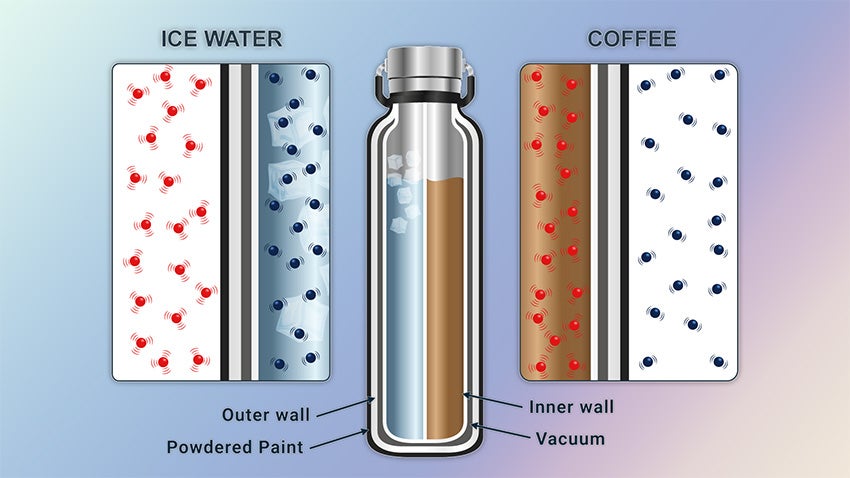
The space between the bottle’s two layers helps keep the hot atoms in the drink from losing heat to the cold atoms outside. (Or vice versa if it’s a cold drink on a hot day.) Air is a great insulator when it comes to preventing conduction, because the molecules are far apart, which prevents those atomic collisions. (It’s why puffy jackets keep you warm!) A vacuum is even better, because there are no atoms for your hot drink (or hot air) atoms to collide with.
Convection
How It Works
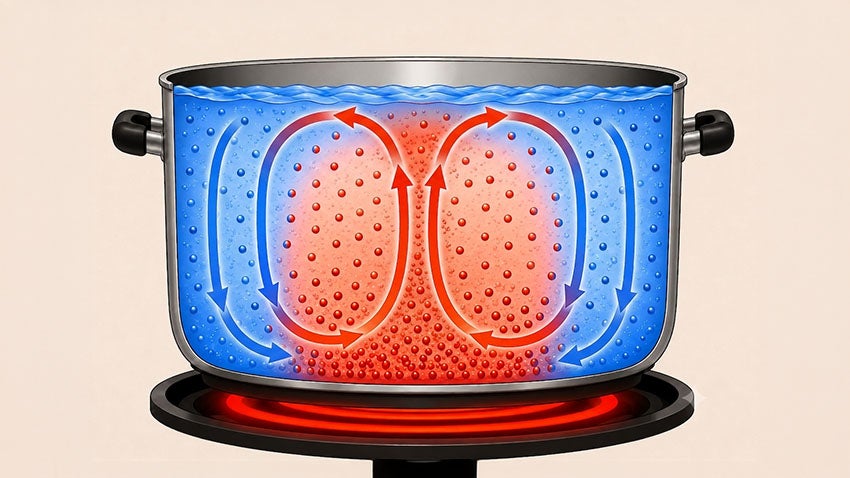
Convection happens in a fluid – a liquid or gas. Convection starts with a heat source. The heat source transfers heat energy to the atoms nearest it. As their energy increases, they get hotter, and they spread out. This makes hot fluids less dense than cold fluids, which means they rise. As the hot atoms rise, they lose energy, start to cool, and eventually drop back down. Meanwhile, the atoms that took their place by the heat source have started to rise. It creates a cycle of warming and cooling atoms.
Real world example: Water boiling in a pan on a stove.
How Your Double-Walled Vacuum-Sealed Water Bottle Stops It
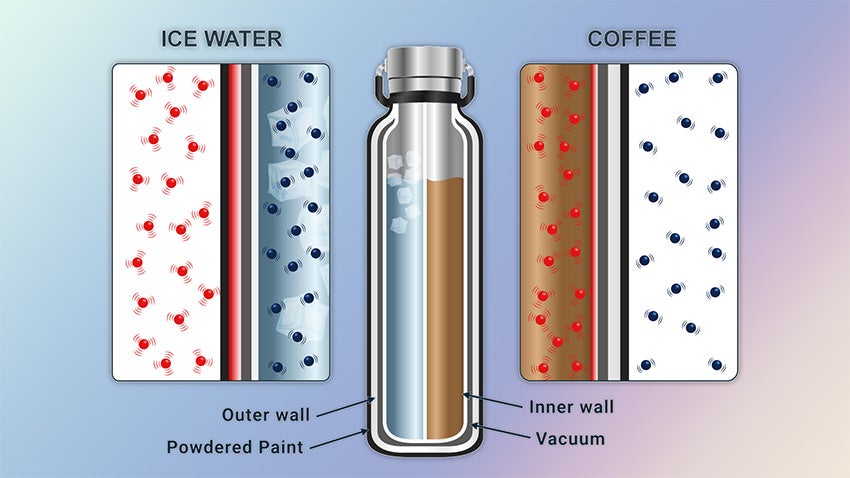
The main source of convection with water bottles is not the drink, but the air outside. The heat from the hot drink heats up the wall of the water bottle (through conduction.) The side of the bottle then becomes the heat source for convection. The hot walls transfer their heat energy to the air. As the air heats up, it rises (taking that heat with it) and is replaced by cold air, which heats up, rises, etc.This is where the vacuum becomes important. The inner layer of the water bottle still heats up – but there are no atoms to create convection.
Radiation
How It Works
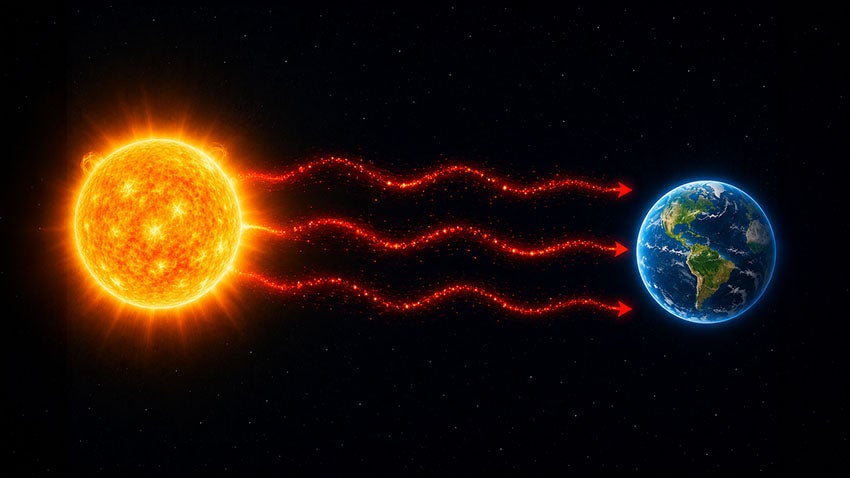
Radiation is different from conduction and convection because it doesn’t require a medium, e.g. air. Instead, atomic vibrations create waves (infrared waves, to be exact) that transfer heat energy. The hotter the atoms, the faster the vibrations, and the more heat energy is transferred.
Real world example: Thermal energy from the Sun traveling through space (a vacuum) to Earth.
How Your Double-Walled Vacuum-Sealed Water Bottle Stops It
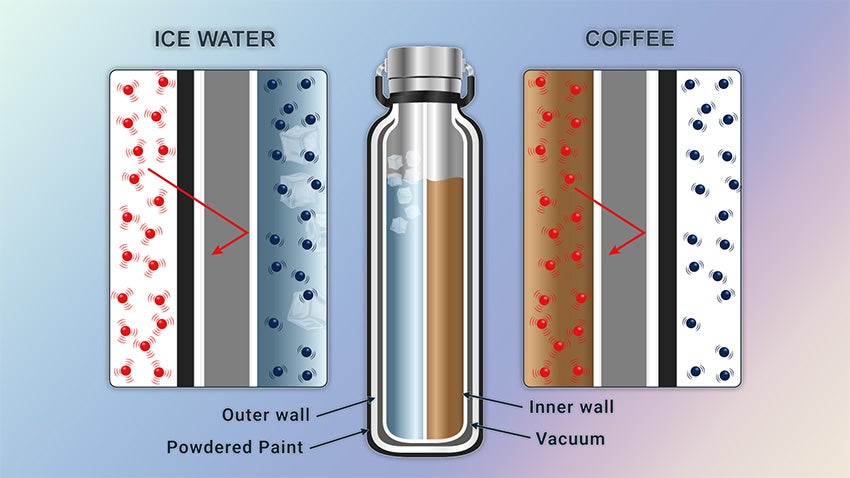
Unlike conduction and convection, radiation can travel through a vacuum. Which means the vacuum seal can’t help you now! Instead, double-walled water bottles counter heat transfer through radiation by using a reflective surface on the outside of the inner layer, on the inside of the outer layer. This reflects the radiation wave back inside the cup (for a hot drink) or back to the outside air (on a hot day.) This is also why using a shiny metal lid on a pan will heat whatever is in it more effectively than using a clear lid.
In short: The vacuum seal prevents atoms from meeting and heating through conduction and convection, and a reflective layer stops radiation.
What Is 18/8 Stainless Steel?
Most double-walled vacuum-sealed water bottles are made from 18/8 stainless steel. This is a type of food-grade stainless steel that’s 50-70% iron, but more importantly, 18% chromium and 8% nickel. (The remaining 4-24% are small amounts of minerals like phosphorus, carbon, nitrogen, sulfur and silicon.)
The chromium and nickel are the big selling points, which is why they get to give their proportions to the name. They make the stainless steel durable, flexible, able to withstand high heat, and corrosion-resistant: all ideal for a water bottle or tumbler. You can get 18/10 stainless steel, but 18/8 hits the sweet spot for kitchenware, delivering all those benefits while also being cost-effective.
The Bottom Line
If you want your drink to stay at the perfect temperature for longer, double-walled vacuum-sealed water bottles and tumblers are worth the hype. You can check out our tumbler temperature test to see the proof. They’re specifically designed to counter the three types of heat transfer, which makes them way more temperature efficient than single-walled bottles.
Natasha Lavender
Natasha is an experienced writer and editor who has covered topics including technology, health and safety, business, and pop culture. Her work has been published by Good Housekeeping magazine, Forbes, Success, and more.